Table of Contents
It's likewise worth keeping in mind that therapists can take health insuranceand while some kinds of insurance may cover specific kinds of mentoring, you'll typically pay out of pocket for coaching sessions. Due to strict guidelines, licensed specialists have to frequently limit their relationship (and interaction) with customers to what takes place throughout sessionshowever, instructors aren't under that same mandate.
Due to the fact that it prevails for coaches to offer message, e-mail, or perhaps phone and video assistance for customers in between sessions (which isn't the case in treatment), it can suggest that the client-coach partnership might feel "closer" in some instances than a client-therapist partnership, says Preston. Yet this doesn't imply you can't establish a close relationship with your specialist, as well.
As a result of this, you could experience more of a well-rounded wellness shift. "You can really feel near your therapist because they provide a non-judgmental space to share anything on your mind," says Aramyan. "They have the ability to book that space for you to refine any kind of feelings or experiences all the while validating you and your difficulties.
You may be much more likely to listen to about your coach's individual life and experiences than, say, your specialist's. (HIPAA), while life coaches aren't.
PPD: Symptoms All Mother Should Watch For
"A client needs to take into consideration working with a life coach over a specialist when they have actually achieved stability in their lives and are seeking to amplify the success they have actually currently imagined," Preston says. "If they're all set to make choices, do something about it, and create outcomes by learning to recognize and trust themselves, then training is a wonderful fit."You might also locate that dealing with both a coach and a therapist is the most effective of both globes.
As a fundamental example: If you're seeing a therapist for anxiety, your therapist could provide a diagnosis, show you about your signs, and suggest dealing strategieslike a daily stroll, for instanceto aid, claims Cheyenne. After that, your life coach could be able to help you remain responsible in between your treatment sessions or even turn up and walk with you for accountability, she claims.
If coaching appears up your alley, the very best way to find an ICF-certified instructor is on the ICF internet site, states Preston. You can additionally find a range of coaches on social media sites, but to make certain you're obtaining "one of the most reputable support," Preston motivates making sure they are ICF-certified. To find a certified therapist, you can search online, seek "in-network" service providers through your health and wellness insurance, or start by speaking to your primary treatment doctor, Lawrence says.
This is a good possibility to really feel things out, ask questions, and make sure you're a straightened fit. No matter of the instructions you choose, bear in mind: There's no shame in asking for assistance.
How to Come Back to Treatment in Napa, CA
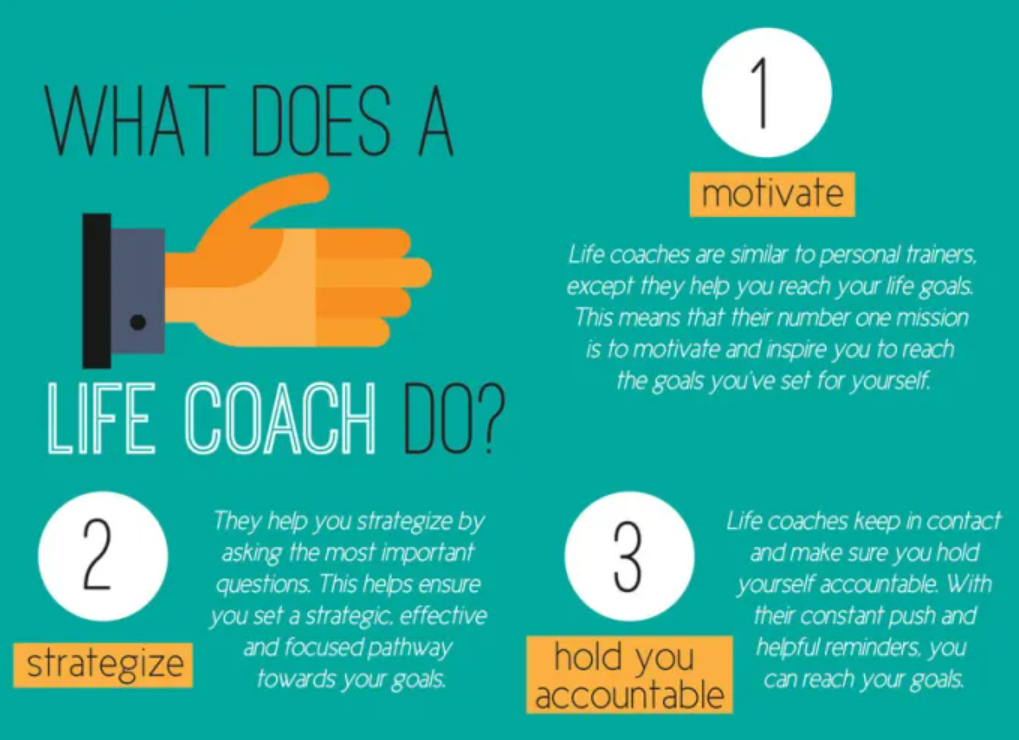
Possibly you're even under the impact that there isn't a distinction. Well, to sum points up succinctly: THERAPY and LIFE MENTORING are not the very same and each serves a different objective. What's the difference between a life instructor and a therapist?
treatment, there aren't any type of losers. It's a basic issue of selecting the appropriate approach that shows your mental health and life objectives. Allow's get a few points straightlife coaching isn't therapy, although coaching can take advantage of healing tools. Therapy, likewise typically referred to as psychotherapy or therapy, is made to be a long-lasting process in between a person and their therapist.
A life instructor helps their customers set goals, develop in on efficient habits, and get over certain obstacles like procrastination on preparing for a public speech. An instructor acts as a kind of mentor to assist the client emphasis on what can be transformed now and for the futureinstead of attending to occasions that have actually happened in the past.
You Are Not Failing for Wanting Help in Napa, CA
We'll go into even more granular information of the differences between coaching vs. treatment below. Generally, life instructors are PRESENT AND FUTURE FOCUSED. Life trainers assist their clients discover their past only as a way of comprehending their present life experiences and idea systems. Their primary objectives are to aid a customer consider where they are, where they intend to be, and exactly how to get from point A to point B.
Make an action plan to start favorable adjustment. Improve your self-confidence. Find a work-life equilibrium. Inquiry restricting ideas regarding your possibility. Reframe past experiences with a solid concentrate on making changes for the existing and future you. Determine, set, and accomplish objectives. Take real action and gauge the outcomes. Adapt to life changes efficiently.

While a therapist may function with customers to set goals and make modifications, mostly customers come to them seeking assistance with recovery injury, conquering misuse, treating addiction, or dealing with psychological illness. Since therapists have actually a specialized grad level and scientific training, they have a considerable foundation of knowledge concerning the mind, biology, and human habits.

Navigation
Latest Posts
Final Phase of Psychodynamic Treatment for Healthy Closure
Recognizing Enmeshment Via Professional Guidance
Adolescent Mental Health: Addressing Teen Mental Health